
Initial Steps Toward Systemic Sustainability: A Cross-Cultural Examination of Australian and South Korean Design Students' 10R Workshop Experience
Abstract
Background Industrial designers play a crucial role in shaping a sustainable future, making incorporating circular economy principles into design education essential. While cross-cultural collaborative workshops offer valuable opportunities to expand perspectives in sustainable design education, research on how cultural factors affect emerging designers’ implementation of circular economy principles is still limited.
Methods A collaborative workshop in Seoul brought together Australian and South Korean industrial design students to explore circular economy principles by redesigning everyday objects. Teams of mixed nationalities employed 10R sustainability strategies on everyday items such as toasters, sports shoes, or headphones, with data collected through ideation notes, concept boards, and presentation recordings.
Results The workshop revealed insights into sustainable design education and international collaboration. While students from both cultures actively engaged in the activities, distinct styles became apparent: South Korean students focused on technical solutions and recycling techniques, in contrast to Australian students, who often emphasised human-centred approaches. This combination of problem-solving perspectives highlighted the importance of cross-cultural collaboration to enhance sustainable design education.
However, the exercise illuminated challenges and growth opportunities within sustainable design education. Students frequently rediscovered traditional sustainable practices that more convenient yet wasteful modern alternatives had overshadowed. This indicates a need to integrate historical knowledge with contemporary technological advancements in sustainable design solutions. The workshop demonstrated that students need more support in understanding how their interventions affect broader systems. Often, students added complexity to their solutions rather than simplifying systems, highlighting a demand for improved education in systems thinking and the interrelation of consumption and production patterns.
A notable limitation was students’ tendency to neglect user behaviour, social dynamics, and the potential negative impacts of their proposed solutions. Many interventions failed to uphold or improve the overall product experience, sometimes sacrificing convenience without adequately considering the repercussions.
Conclusions Such short design activities should act as initial steps, not isolated events, to delve into the intricacies of sustainable production and consumption systems. The research indicates that although cross-cultural sustainable design activities are beneficial, they require skilled guidance and should fit within a broader educational framework. The results highlight the necessity for improved education in systems thinking and stakeholder analysis, the inclusion of varied cultural viewpoints in sustainable design programs, comprehensive post-exercise evaluations and discussions, and a stronger focus on user experience and social impacts in sustainable design.
The results offer insights for enhancing packaging strength, reducing costs, and minimizing production time and material waste, thus providing valuable guidance for packaging designers and industry professionals.
Keywords:
Circular Economy, Sustainable Design, Cross-Cultural Collaboration, Industrial Design Education Workshop1. Introduction
1. 1. The regenerative economy
As the creators of products that shape our material world, industrial designers play a crucial role in ushering in a more environmentally responsible future; integrating sustainable design strategies into industrial design education is, therefore, essential for equipping young designers with the knowledge to address complex environmental challenges (Andrews, 2015). The circular economy (CE) concept is increasingly recognised as a pathway to sustainable development, focusing on moving away from the traditional “take-make-dispose” model (Geissdoerfer et al., 2017; Winans et al., 2017). At the core of this concept, the 10R framework provides a comprehensive plan for value retention through strategies that invite designers and producers to Refuse, Rethink, Reduce, Reuse, Repair, Refurbish, Remanufacture, Repurpose, Recycle, and Recover product components and materials, thereby eliminating needless waste (Vermeulen et al., 2019; Skärin et al., 2022). Such a strategic framework offers a more extensive approach than the 3R model (reduce, reuse, recycle), which has shown limited success. (Potting et al., 2017).
Within this context, design is acknowledged as a crucial enabler for realising a circular economy. (van den Berg et al., 2015, den Hollander et al. 2017). Academic work on Design for Sustainability (DfX) includes approaches focused on resource conservation, preserving resource loops, and holistic system design (Brennan et al., 2015). However, challenges remain in harmonising circular business models beyond material recovery and recycling. (Moreno et al., 2016)
Higher education institutions are viewed as key players in the shift toward a circular economy. (Renfors, 2024). Education for the circular economy (ECE) is an emerging domain demanding a systemic approach and the embedding of circular economy competencies within academic programs (Moore, 2005; Kirchherr et al., 2019). The literature underscores the necessity for innovative teaching and learning strategies, such as real-world engagement, to investigate specific pedagogical methods, including constructive alignment and problem-based learning, while highlighting the need to transform consumption patterns. (Sumter et al., 2020, 2021)
Research exploring cross-cultural collaboration in design education has emphasised the importance of tailored learning designs and technologies and identifies cultural diversity among team members as significantly impacting collaborative design processes (Markus et al., 2007). Evidence suggests that students’ cultural backgrounds shape their design concepts (Razzaghi et al., 2008; Schadewitz, 2009). Research also highlights the critical role of interpersonal skills, especially in enabling collaborative and participatory problem-solving (Dutra et al., 2014; Montana-Hoyos et al., 2015). Numerous studies explore theoretical perspectives on the circular economy and DfX strategies (Renfors, 2024; Wandl et al., 2019).
Despite some studies on cross-cultural design collaboration, research on the effectiveness of the 10R framework in educational workshops, particularly within diverse cultural contexts, remains limited. The current literature offers a narrow understanding of the challenges and opportunities of cultural differences in teaching circular economy concepts, lacking methods and tools for enhanced communication and collaboration in these settings. This research aims to explore this gap by examining a cross-cultural workshop that introduces students to the 10R framework. It seeks insights into how students from various cultural backgrounds engage with the 10R principles while identifying specific challenges and opportunities in its application. Ultimately, the goal is to provide educators with insight for designing and conducting workshops centred on the circular economy in cross-cultural environments.
An international collaborative workshop involving Australian and South Korean industrial design students was held in Seoul to explore this aspect. The workshop examined how emerging designers approach sustainability and circular economy concepts, providing insights into cultural differences in design approaches, assessing students’ engagement with sustainability issues, and identifying areas for improvement in design education.
This article presents the findings from this international workshop, examines the creative solutions proposed by participants, and discusses the implications for industrial design education. By analysing the outcomes of this collaborative exercise, we aim to contribute to the ongoing dialogue on how best to prepare future designers for the challenges and opportunities presented by the Circular Economy.
2. Method
2. 1. Workshop Structure and Timeline:
The workshop was an on-site collaboration exercise involving Australian and South Korean industrial design students. It was based on an exercise conceived by Professor Mariano Ramirez of the University of New South Wales, Australia and adapted by the research author. At the beginning of the session, participants were randomly assigned to one of six teams, ensuring that each team comprised a proportionately equal number of individuals from both nationalities. As they took their seats at individual tables, participants discovered which of the six products they would be assigned to improve regarding sustainability.
The selected items—a toaster, sports shoes, juice box, school uniform, upholstered chair, and headphones—represented various usage patterns and lifecycle challenges.
- • Short-term consumables: The juice box exemplified products intended for safe food storage while enabling quick consumption and disposal, underscoring the challenges of single-use packaging.
- • Items subject to natural wear: Sports shoes and school uniforms gradually degrade or become outgrown over time. These products present opportunities for exploring durability, adaptability, and end-of-life solutions.
- • Durable goods with potential damage: Headphones, upholstered chairs, and toasters are intended for long-term use but are susceptible to specific types of damage or component failure, allowing the exploration of repair, maintenance, and upgrade strategies.
This diverse selection of everyday objects enabled participants to explore various sustainability challenges and potential solutions across different product lifecycles and consumption patterns. The familiar nature of these items ensured that all participants, regardless of cultural background, could draw from personal experience when developing sustainable design interventions.
For 30 minutes, participants were introduced to the 10R strategies, accompanied by examples of sustainable products that implement these strategies. The focus was on integrating sustainability early in the design process.
Team members were then given 25 minutes to independently generate five potential sustainable solutions for the product assigned to their team.
Ideas were written on sticky notes and affixed to the team board. A 15-minute group discussion followed in which each participant introduced their ideas, and the teams selected the most promising solutions among individual inputs. In the following 20-minute Concept Development phase, teams merged the best ideas into a final concept sketch. At the end of the session, each team was given five minutes to present its final concept to the class, followed by a Q&A session and feedback from the educational team. (Fig. 1)
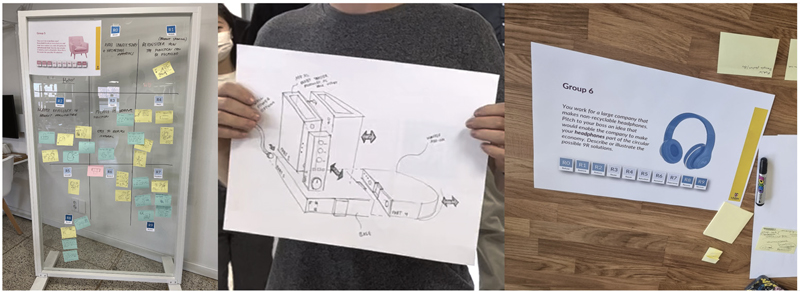
Workshop activities
2. 2. Participant Demographics:
The thirty-five participants included twenty-one Australian and fourteen South Korean industrial design students in their third or fourth year and were divided into six mixed nationalities groups.
2. 3. Data Collection Methods:
Individual ideas were written on assigned coloured sticky notes to differentiate nationalities; each note included the participant’s name and a number indicating the order of idea generation. Once generated, ideas were collected on team boards. All materials, including the concept sketches produced by each team, were collected, and the presentations of final concepts were video recorded for later review.
2. 4. Analysis Techniques:
The analytical approach employed triangulation, with three independent researchers individually analysing participant inputs before engaging in collaborative verification sessions. This method enhanced reliability and validity by mitigating individual bias.
The evaluation framework encompassed 27 parameters, including sustainability categorisation, design intervention details, adoption patterns, feasibility, creativity, user experience, and potential unintended consequences. The analysis incorporated three complementary layers.
A quantitative analysis systematically counted idea generation at individual and team levels, with idea distribution across sustainability strategies. A qualitative content analysis examined each idea and the final concept’s content, approach, and articulation in detail. A Thematic Analysis was done to identify recurring patterns in thinking and design approaches.
The final phase implemented a cross-cultural comparative analysis examining differences between Australian and South Korean cohorts, solution typologies (technical versus human-centred), presentation styles, and team dynamics.
This methodology aimed to comprehensively examine how young designers from different cultural backgrounds approach sustainable design challenges within the circular economy framework.
3. Workshop Outcomes
The analysis of data collected during the workshop revealed several findings regarding young designers’ approaches to circular economy principles and sustainable design.
3. 1. Design Concepts
Team 1 introduced a modular toaster that enables simple disassembly. This feature allowed for the access, repair, or replacement of individual components without discarding the entire appliance. The components were intended to be made from recyclable materials designed to be reprocessed in a closed-loop system. Additionally, the toaster could be expanded from a single-slot to a four-slot model, allowing users to adjust its capacity according to their household needs. The design focused on customisation options to enhance the relationship between users and the product, thus promoting longer-term ownership through personalisation. This emotional bond was meant to counteract the tendency for premature product replacement.
Team 2 developed a modular sports shoe design emphasising component separability and material circularity. The shoe’s detachable sole system would easily slide on and off the main body, enabling simple component separation. This modular approach allowed for replacing worn soles without discarding the entire shoe, adaptation to different sports through interchangeable sole types, and style customisation through various sole options. The sole materials could be recycled into playground surfaces, creating a specific end-of-life pathway, and the upper body would be constructed from hemp, offering a strong, sustainable alternative to conventional materials.
Team 3 redesigned the traditional juice box, focusing on material reduction and sustainable materials. The box was reoriented to a horizontal layout, allowing a shorter straw to reach the liquid. The main structure would be made from sugarcane-based material, and the removable Interior would feature a separate plastic pouch that could be easily separated from the outer shell.
Team 4 approached the uniform design by first analysing common failure points and growth-related challenges and then developing solutions that extended both usability and end-of-life possibilities. Their design featured durability Improvements, such as using dark fabric to conceal stains and extend aesthetic longevity, simplified and stylised cuts engineered to resist creasing and structural failure and reinforced construction to prevent seams from coming apart. An adjustable waist design allowed the uniform to adapt to children’s growth. The design deliberately considered secondary uses for uniform materials, including pet clothing production, home product manufacturing, and materials for art exhibitions and creative projects.
Team 5 developed a chair design that prioritised material efficiency, repairability, and component reuse through three main design features. The focus was on structural efficiency, employing a minimalist folded structure that reduced material usage while maintaining stability and a simple shape design that minimised manufacturing complexity and material waste. A clamping system replaced traditional glued or stapled construction, allowing foam cushioning to be easily removed and replaced without damaging components. Furthermore, a patchwork upholstery fabric was chosen for its durability and repair potential.
Team 6 developed a headphone concept called “e-Mush,” combining bio-based materials with a modular construction. Mushroom-based materials were used for leather-like surfaces and foam padding, and silicon headbands were chosen for hygiene and durability. Components were designed for easy replacement and upgrading, including a Screw-free assembly using snap-fit and magnetic connections, enabling component repair or replacement.
3. 2. Preliminary Qualitative Analysis
Though each team’s design was innovative in concept, the workshop results underscored significant limitations in students’ sustainable design solutions. This illustrates the complexity of translating circular economy principles into practical applications. Team 1’s modular toaster introduced greater structural complexity, potential failure points, and health hazards while questionably assuming consumers would form emotional connections with a utilitarian appliance. The recycling-dependent approach also relied on systems that are currently inefficient in many contexts.
Though creative, Team 2’s modular sports shoe concept introduced weak points in connection areas and cleaning challenges at material interfaces. The proposal lacked specific details about material composition and performance characteristics necessary for practical implementation.
Team 3’s horizontally oriented juice box realised only minimal material savings through straw reduction. It did not achieve the engineering sophistication of existing hard-torecycle multi-layer food packaging systems like Tetra Pak, which have been optimised for preservation and material efficiency.
Team 4’s uniform modifications addressed technical aspects of durability. However, they overlooked crucial social dimensions of clothing, mainly how the stigma around second-hand or visibly repaired garments might affect adoption and user experience.
Team 5’s folded chair structure created weight, distribution, shipping volume, and structural integrity challenges that could compromise the product’s practicality and market viability. It also made bold aesthetic choices regarding fabric that may not suit the majority of households.
While Team 6’s headphone design followed modular principles demonstrated by companies like Fairphone and Gerrard Street, it relied on experimental biomaterials without sufficient evidence of their durability or economic feasibility. Moreover, it did not address the complex logistical issue of global distribution, usage and inclusivity.
These limitations collectively demonstrate the complexity of contemporary consumption systems and highlight the need for more comprehensive approaches to sustainable design.
3. 3. Quantitative Analysis of Ideas Generated
Rather than evaluating only finished designs, the research team analysed all generated ideas to identify thought patterns and knowledge gaps. This methodological approach allowed for deeper insights into students’ conceptual understanding and revealed opportunities for educational improvement beyond the workshop’s immediate outcomes.
The analytical framework emerged organically rather than predetermined through a post-workshop assessment of student inputs. This methodological decision was intentional and aligned with the teaching experiment’s exploratory nature. Instead of imposing a preexisting framework that might have constrained or misaligned student responses, the framework developed from the collected data.
This approach acknowledged the unpredictability of student reactions to sustainability challenges in product design. By starting with a reactive stance, the space for students to generate ideas without the limitations of predetermined categories was preserved. This inductive method allows for the full spectrum of student thinking and creativity, revealing natural patterns in conceptualising sustainability in design contexts.
After collecting all individual inputs from the workshop, a thorough analysis was conducted to identify recurring themes, approaches, and focus areas. Through this process, several distinct categories emerged that reflected different dimensions of student engagement with sustainability principles. These categories represent not just what students understood about sustainability in product design but how they operationalised this understanding in their proposed solutions.
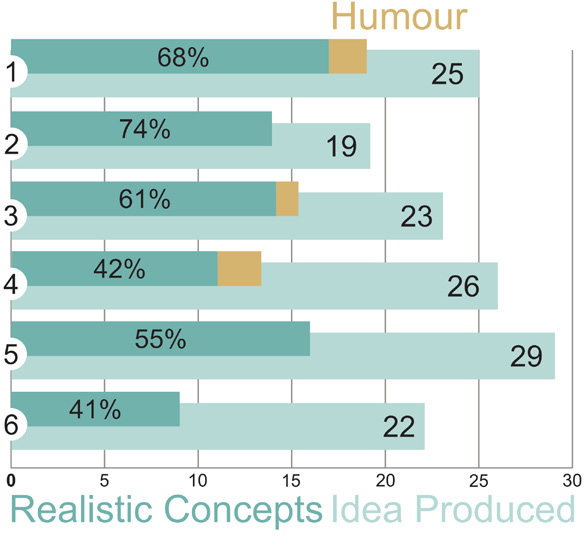
A total of one hundred and forty-four ideas were generated, averaging four per student. This figure reflects the participants’ engagement with the task and ability to apply circular economy concepts to product design. Australian students were particularly prolific, generating an average of 4.5 ideas each, while South Korean students produced around three ideas each. Although this difference is significant, factors such as language barriers and educational backgrounds should be considered when interpreting these results.
The analysis of student-generated ideas revealed varying degrees of practicality in their sustainable design solutions. Upon evaluation, two-thirds of the proposed ideas were considered realistic and potentially implementable, while the rest were considered idealistic—conceptually intriguing yet facing significant practical barriers to implementation. A small but meaningful portion, 5%, included elements of humour or sarcasm, frequently highlighting absurdity to critique consumption patterns.
A particularly illustrative example of this latter category was a proposal for a national campaign promoting “untoasted bread” as a direct application of the “Refuse” strategy from the circular economy framework. While creative in its approach to questioning assumed needs, this solution inadvertently demonstrated how students sometimes overlooked important functional aspects and unintended consequences of their interventions. The proposal failed to recognise the practical role of toasting in food preservation and palatability—specifically, how toasting revitalises day-old bread that might otherwise be considered stale. By eliminating toasting as an option, the proposed solution could paradoxically increase food waste, as consumers might discard bread that could have been made more appetising through toasting. This example highlights how even well-intentioned sustainable design concepts can miss crucial practical considerations and potentially create new sustainability problems while attempting to solve existing ones.
This case exemplifies students’ challenges in addressing the complex interrelationships within consumption systems. It highlights the significance of a comprehensive analysis considering design interventions’ intended functions and potential unintended consequences.
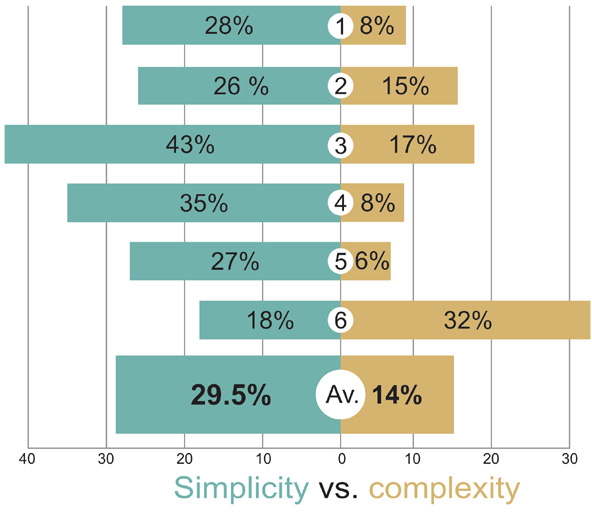
Promisingly, the analysis of how ideas affected system complexity showed that a third of solutions aimed to simplify consumption and production systems, while only some increased complexity on average. This indicates a general trend towards simplification, which is often necessary to implement the proposed solutions practically (Fig.3).
Concept generation
Simplicity vs. Complexity
The analysis of the concepts’ originality and innovation level showed that close to forty per cent of the proposals already existed on the market, a few, 12%, were directly inspired by examples shown in the introductory presentation, and over a quarter were similar to well-known concept designs such as modular headphones or aluminium cans. The remaining third were rediscoveries of old ideas, common in the past but often replaced by more convenient and frequently linear solutions, such as removable collars, mending or rusk. This distribution reveals a mix of market awareness, the influence of the workshop materials, and hints that designers may benefit from looking backwards in time for solutions.
The ideas generated showed a clear preference for specific sustainability strategies, as 38% focused on “Rethink” and “Reduce” strategies, a little less than half addressed “Reuse” and “Repair,” and the last 15% targeted “Recycle” and “Recover.” This distribution indicates a good understanding of the circular economy hierarchy, with students prioritising downstream strategies with a higher impact on sustainability.
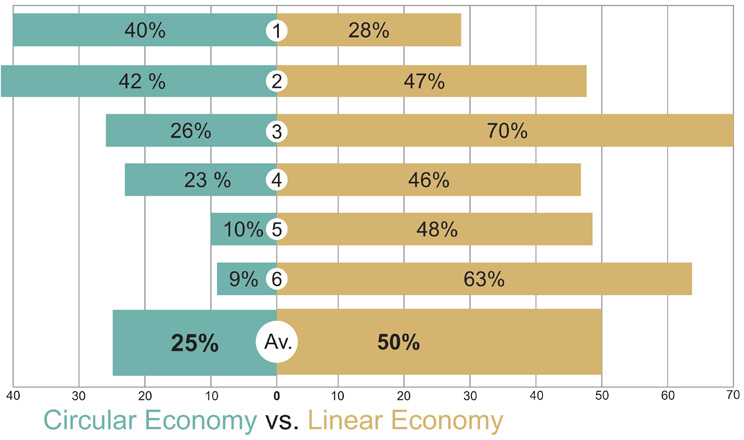
The analysis of how well the ideas aligned with circular economy principles showed that a quarter of the proposals genuinely aligned with circular economy principles, half represented low—to medium-level improvements within linear consumption patterns, and the remaining proposals did not significantly challenge the status quo. This distribution highlights the challenge of fully embracing circular economy concepts and the tendency to default to incremental improvements. (Fig.4)
Circular vs. Linear Economy
The circular economy represents more than just a technical reimagining of production methods—it requires a fundamental reconsideration of how responsibility for waste and resource management is distributed throughout society. This distribution of responsibility emerged as a significant pattern in the students’ proposed solutions.
When analysing where students placed responsibility for implementing sustainable practices, a clear distribution emerged across the value chain (Fig. 5). The majority of solutions (62%) assigned the primary responsibility to producers and retailers, advocating for more sustainable production methods, improved product design, and responsible distribution systems. These upstream solutions emphasised building sustainability into products from their inception rather than addressing issues at the end of a product’s life. A significant portion of proposals (35%) emphasised consumer responsibility, suggesting solutions that required users to maintain, repair, or reuse their purchases. These concepts acknowledged consumer behaviour’s essential role in extending product lifespans and reducing waste. A smaller but notable segment (14.5%) distributed responsibility to the broader community through proposals for collective action, including educational initiatives, community recycling programs, and energy recovery systems. These solutions acknowledged the importance of social infrastructure in supporting sustainable practices.
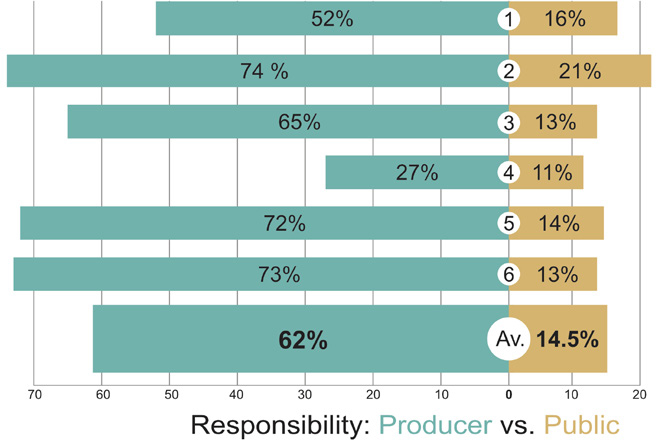
Producer vs. Public Responsibility
This distribution pattern suggests that participants recognised sustainability as a shared responsibility requiring action from multiple stakeholders across the entire value chain. The emphasis on producer and retailer responsibility reflects an understanding that the most significant leverage points for systemic change often exist at the production stage, where decisions about materials, design, and manufacturing processes fundamentally shape a product’s environmental impact throughout its lifecycle.
Assessing students’ circular economy solutions revealed a critical tension between sustainability goals and user experience—a challenge that professional designers routinely face. Only a quarter of the proposed solutions were expected to maintain or enhance the product experience for users, highlighting a significant gap in user-centred sustainable design thinking. More concerning, close to forty per cent of solutions potentially introduced unintended negative consequences that could compromise product functionality or user satisfaction. These potential drawbacks varied widely across proposals, including structural social stigma, stability issues, reduced material strength, increased material wastage, compromised hygiene, decreased recyclability, higher costs, and diminished comfort. For instance, substituting school uniforms with name tags worn over regular clothing overlooks uniforms’ essential social and practical purposes. These include fostering a sense of community among students and reducing social pressure related to fashion and branding, especially for those from less privileged backgrounds.
This finding illuminates one of the fundamental challenges in sustainable design: innovations focused on environmental impact often overlook crucial aspects of user experience. When sustainable solutions compromise functionality, convenience, or satisfaction, they face significant barriers to adoption and may fail to achieve their environmental goals despite good intentions.
The high percentage of proposals with potentially negative consequences suggests that students, while enthusiastic about applying circular economy principles, have not yet developed the skills to evaluate their solutions comprehensively from multiple perspectives. This underscores the importance of teaching holistic impact assessment in sustainable design education, helping students consider not only the direct environmental benefits of their proposals but also the broader implications for user experience, market viability, and potential unintended effects (Fig. 6).
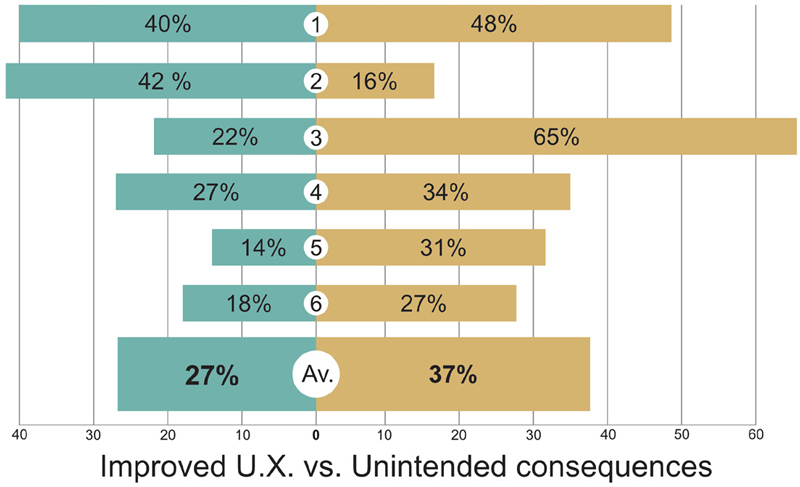
Unintended Consequences
3. 4.. Group Dynamics in Cross-Cultural Sustainable Design Workshops
Group dynamics are crucial in collaborative design workshops, significantly influencing which voices are heard and which ideas progress to final implementation. These social mechanisms can inadvertently filter out innovative concepts from less assertive participants. Furthermore, the collaborative nature of group work often relies on compromise and consensus-building, potentially leading to the rejection of more radical ideas that fundamentally challenge linear economy paradigms in favour of solutions that seem more feasible or familiar to the group.
The analysis of cross-cultural workshop interactions revealed distinctive patterns between Australian and South Korean students, though the sample size limits broad generalisations. Several noteworthy differences emerged in their approaches to sustainable design challenges, providing insights into how cultural background may shape design thinking within circular economy frameworks.
Australian students demonstrated more assertive communication styles and contributed many prominent concepts to final designs. This assertiveness gave their ideas greater visibility and adoption rates during group discussions. Despite this imbalance in individual contribution dynamics, the post-workshop analysis of design outcomes showed balanced representation from both cultural perspectives, suggesting that initial differences in approach were effectively integrated through the collaborative process.
A notable distinction was the use of humour as a design tool. Australian students frequently incorporated lighthearted elements in both the ideation and presentation phases, whereas South Korean students typically maintained a more focused approach. This humour served multiple functions: it made sustainability concepts more approachable, created memorable presentation moments, and occasionally challenged conventional product design thinking through unexpected juxtapositions.
Problem-solving strategies diverged significantly between the groups. South Korean students gravitated toward technical solutions, emphasising material selection, manufacturing processes, and functional improvements. In contrast, Australian students favoured human-centred approaches focusing on behavioural change and reimagined user interactions with products to promote sustainable consumption patterns.
Recycling strategies appeared at different stages in the creative process between groups. South Korean students proposed recycling solutions earlier in their ideation process and more frequently than their Australian counterparts, who typically suggested recycling concepts later in brainstorming sessions. This difference reflects distinct cultural attitudes toward waste management or varying emphases on circular economy strategies within their respective educational systems.
4. Discussion
4. 1. Limitations of the Study
The study’s primary limitation is its small sample size, which limits the generalisability of its findings, especially concerning cultural differences in design approaches. Although we can note distinct patterns between Australian and South Korean students, these cannot be definitively ascribed to cultural factors without verification on a larger scale.
The workshop’s brief duration constrained participants’ ability to explore and refine their ideas deeply, potentially limiting the sophistication of the proposed solutions. Additionally, while the controlled workshop environment is conducive to creativity, it cannot fully replicate the complex constraints and stakeholder considerations in real-world design challenges.
Lastly, focusing on six specific products provided a structured framework for comparison but may have captured only a partial spectrum of sustainable design opportunities. A broader product selection might reveal different patterns in how students approach sustainability challenges across varied product categories.
4. 2. Interpretation of Results
While acknowledging those limitations, we can still gain insights into how emerging designers approach circular economy principles through such an activity.
The workshop demonstrated that emerging designers can enthusiastically engage with sustainability challenges when given appropriate frameworks. Students generated numerous creative solutions across diverse product categories, preferring upstream strategies such as “Rethink” and “Reduce” over downstream approaches like “Recycle” and “Recover.” This distribution suggests that sustainability education can successfully convey the importance of addressing environmental concerns at the earliest stages of design, a promising foundation for future professional practice.
However, this engagement revealed important limitations. While students readily applied circular economy principles at the product level, they often overlooked broader systemic implications. They gravitated toward high-tech innovations while sometimes neglecting simpler, traditional solutions that might prove more practical and immediately implementable; for example, none of the participants of the Juicebox team made proposals related to a refill deposit scheme such as the Pfand common in Germany.
Although the small sample size makes the findings not broadly generalisable, apparent cultural differences emerged in problem-solving approaches. South Korean students preferred technical solutions and recycling strategies, while Australian students gravitated toward human-centred approaches. An example of this could be the chair’s design, with a Korean student proposing the mono-material folded structure of the chair. In contrast, Australian students complemented the idea with concepts related to the product lifecycle and repair by users or proposed to focus on the school uniform material used for craft education at the end of its life. These distinctions highlight how cultural context shapes design thinking and underscore the value of cross-cultural collaboration in enriching sustainable design.
These differences suggest that design education should actively incorporate diverse cultural perspectives on sustainability, potentially drawing from traditional practices across different societies. The limited exploration of culture-specific sustainable traditions during the workshop points to an opportunity for more intentional integration of culturally diverse approaches in design curricula.
Perhaps most significantly, the workshop revealed substantial gaps between conceptual understanding and practical implementation of circular economy principles. Less than a third of the proposed solutions were expected to maintain or enhance the product experience. At the same time, a consequent number potentially introduced negative consequences ranging from reduced functionality or compromised user comfort to more adverse outcomes such as reduced hygiene or recyclability.
This finding highlights a critical tension in sustainable design: Solutions focused narrowly on environmental impact often overlook crucial aspects of user experience. When sustainable innovations compromise functionality or satisfaction, they face significant adoption barriers and may fail to achieve their intended environmental benefits. The high percentage of proposals with potentially harmful consequences suggests that students require more training in comprehensive impact assessment, which involves evaluating solutions not only for environmental benefits but also for market viability, user acceptance, and unintended effects.
4. 3. Implications for Design Education
These findings underscore both progress and limitations in sustainable design education. While students demonstrated a solid understanding of circular economy principles, they struggled with systemic thinking, implementation challenges, and balancing sustainability with user experience. Several approaches warrant consideration in advancing sustainable design education.
First, design curricula should integrate complex, system-level thinking, helping students recognise how their decisions connect to broader environmental and social systems. Second, education should balance emphasis on technological innovation with appreciation for traditional sustainable practices and their contemporary applications. Third, programs should incorporate more immersive, real-world sustainability projects that allow students to grapple with implementation challenges and stakeholder dynamics.
Additionally, the workshop demonstrates that while cross-cultural collaborative exercises are valuable, they must be expertly guided and integrated into broader educational frameworks.
4. 4. The Workshop as a Starting Point for Further Learning
Rather than merely viewing this workshop as a comprehensive exercise in sustainable design, it may be more judicious to consider it a springboard for deeper exploration. Such short activity not only ignites participants’ motivation to tackle sustainability challenges but also highlights the limitations of current production and consumption patterns. It invites us to introduce more complex sustainability concepts, capitalising on participants’ newfound enthusiasm and addressing critical gaps by strategically focusing on the areas where students struggle, such as understanding unintended consequences or implementing solutions in multifaceted real-world contexts. It highlights the critical role of post-exercise discussion, group and self-critique that may encourage students to reassess their initial ideas, providing them with the time and knowledge necessary to enhance their designs. We may also expand discussions on how diverse cultural backgrounds shape design thinking, significantly enriching students’ global perspectives.
5. Conclusion
The study centred on an international workshop involving Australian and South Korean industrial design students, providing insights into how emerging designers approach circular economy principles and sustainable design challenges. Students engaged enthusiastically with sustainability issues and circular economy concepts, generating numerous creative ideas across various product categories. Notably, they exhibited a strong understanding of the circular economy hierarchy by prioritising “rethink” and “reduce” strategies over “recycle” and “recover.”
Cultural differences emerged in problem-solving approaches. South Korean students favoured technical solutions, while Australian students gravitated towards human-centred methods. These distinctions highlight the potential value of cross-cultural collaboration in sustainable design education.
However, the workshop also revealed significant limitations. Students often unknowingly rediscovered traditional sustainable practices supplanted by contemporary convenient yet often wasteful and linear alternatives, indicating the need to balance historical wisdom with innovation.
They tended to focus on product-level solutions and high-tech innovations, sometimes at the expense of broader systemic changes. Furthermore, many interventions failed to maintain or enhance the overall product experience, neglecting user behaviour and potential negative externalities.
To advance sustainable design education and research, it may be judicious to engage students early on in problem-based workshops and follow up with an in-depth expert analysis of the outcome to identify the strengths and flaws of their approach. Such exercise should not be seen in isolation but be used as an introduction to the complexity of sustainable practices and invite the integration of projects that focus on complex, system-level thinking, developing longer-term, immersive sustainability projects that address real-world implementation challenges, incorporating more cross-cultural collaborations to foster global perspectives, encouraging a balance between technological innovation and traditional sustainable practices, and ensuring expert guidance and in-depth analysis of outcomes in workshop settings.
The enthusiasm and creativity demonstrated by the workshop participants provide cause for optimism. While the study reveals both progress made and areas needing development in sustainability education, it invites further study to understand how emerging designers approach circular economy challenges. Industrial design can play a crucial role in shaping a more sustainable future with the continued refinement of educational practices and targeted teaching strategies.
Notes
Copyright : This is an Open Access article distributed under the terms of the Creative Commons Attribution Non-Commercial License (http://creativecommons.org/licenses/by-nc/3.0/), which permits unrestricted educational and non-commercial use, provided the original work is properly cited.
References
-
Andrews, D. (2015). The circular economy, design thinking and education for sustainability. Local Economy: The Journal of the Local Economy Policy Unit, 30(3), 305-315.
[https://doi.org/10.1177/0269094215578226]

-
Brennan, G., Tennant, M., & Blomsma, F. (2015). Business and production solutions. Sustainability, 219-239.
[https://doi.org/10.4324/9780203109496-11]
-
den Hollander, M. C., Bakker, C. A., & Hultink, E. J. (2017). Product Design in a Circular Economy: Development of a Typology of Key Concepts and Terms. Journal of Industrial Ecology, 21(3), 517-525.
[https://doi.org/10.1111/jiec.12610]
-
Dutra, C., Mazza, A., & Menezes, L. (2014). Innovation in Sustainable Products: Cross-Cultural Analysis of Bi-national Teams. Revista de Gestão Ambiental e Sustentabilidade, 3(2), 149-164.
[https://doi.org/10.5585/geas.v3i2.105]
-
Geissdoerfer, M., Savaget, P., Bocken, N. M. P., & Hultink, E. J. (2017). The Circular Economy - A New Sustainability Paradigm? Journal of Cleaner Production, 143, 757-768.
[https://doi.org/10.1016/j.jclepro.2016.12.048]
-
Kirchherr, J., & Piscicelli, L. (2019). Towards an Education for the Circular Economy (ECE): Five Teaching Principles and a Case Study. Resources, Conservation and Recycling, 150, 104406.
[https://doi.org/10.1016/j.resconrec.2019.104406]
- Markus, P., James, T., Luc, F., & Udo, L. (2007). Cross-Cultural Collaboration in Design Engineering-Influence Factors and Their Impact on Work Performance. Guidelines for a decision support method adapted to NPD processes. Retrieved from https://www.designsociety.org/download-publication/25583/cross-cultural_collaboration_in_design_engineering_–_influence_factors_and_their_impact_on_work_performance.
- Montana-Hoyos, C. A., Scharoun, L., & Poplin, J. (2015). The importance of cross-cultural learning in the design disciplines: A case study reviewing a series of short-term study tours designed to support cross-cultural exchange in the Asia-Pacific region. International Journal of Arts and Sciences, 8(5), 435-442.
-
Moreno, M., De los Rios, C., Rowe, Z., & Charnley, F. (2016). A Conceptual Framework for Circular Design. Sustainability, 8(9), 937.
[https://doi.org/10.3390/su8090937]
-
Moore, J. (2005). Seven recommendations for creating sustainability education at the university level. International Journal of Sustainability in Higher Education, 6(4), 326-339.
[https://doi.org/10.1108/14676370510623829]
- Potting, J., Hekkert, M. P., Worrell, E., & Hanemaaijer, A. (2017). Circular economy: measuring innovation in the product chain. Planbureau voor de Leefomgeving, (2544). Retrieved from https://www.pbl.nl/uploads/default/downloads/pbl-2016-circular-economy-measuring-innovation-in-product-chains-2544.pdf.
-
Razzaghi, M., Ramirez, M., & Zehner, R. (2009). Cultural patterns in product design ideas: comparisons between Australian and Iranian student concepts. Design Studies, 30(4), 438-461.
[https://doi.org/10.1016/j.destud.2008.11.006]
-
Reike, D., Vermeulen, W. J. V., & Witjes, S. (2022). Conceptualization of Circular Economy 3.0: Synthesizing the 10R Hierarchy of Value Retention Options. Towards a Circular Economy, 47-69.
[https://doi.org/10.1007/978-3-030-94293-9_3]
-
Renfors, S.-M. (2024). Education for the circular economy in higher education: an overview of the current state. International Journal of Sustainability in Higher Education, 25(9), 111-127.
[https://doi.org/10.1108/ijshe-07-2023-0270]
- Schadewitz, N. (2009). Design patterns for cross-cultural collaboration. International Journal of Design, 3(3), 37-53. Retrieved from https://oro.open.ac.uk/21842/2/276-2650-3-PB.pdf.
-
Skärin, F., Rösiö, C., & Andersen, A.-L. (2022). An Explorative Study of Circularity Practices in Swedish Manufacturing Companies. Sustainability, 14(12), 7246.
[https://doi.org/10.3390/su14127246]
-
Sumter, D., de Koning, J., Bakker, C., & Balkenende, R. (2020). Circular Economy Competencies for Design. Sustainability, 12(4), 1561.
[https://doi.org/10.3390/su12041561]
-
Sumter, D., de Koning, J., Bakker, C., & Balkenende, R. (2021). Key Competencies for Design in a Circular Economy: Exploring Gaps in Design Knowledge and Skills for a Circular Economy. Sustainability, 13(2), 776.
[https://doi.org/10.3390/su13020776]
- Van den Berg, M. R., & Bakker, C. A. (2015). A product design framework for a circular economy. Product lifetimes and the environment, 365-379. Retrieved from https://citeseerx.ist.psu.edu/document?repid=rep1&type=pdf&doi=928a551995755f551d5344709bd1c821afb203cc#page=373.
- Vermeulen, W. J., Reike, D., & Witjes, S. (May 2019). Circular Economy 3.0: Solving confusion around new conceptions of circularity by synthesising and re-organising the 3R's concept into a 10R hierarchy. 12-15, Renewable Matter 27.
-
Wandl, A., Balz, V., Qu, L., Furlan, C., Arciniegas, G., & Hackauf, U. (2019). The Circular Economy Concept in Design Education: Enhancing Understanding and Innovation by Means of Situated Learning. Urban Planning, 4(3), 63-75.
[https://doi.org/10.17645/up.v4i3.2147]